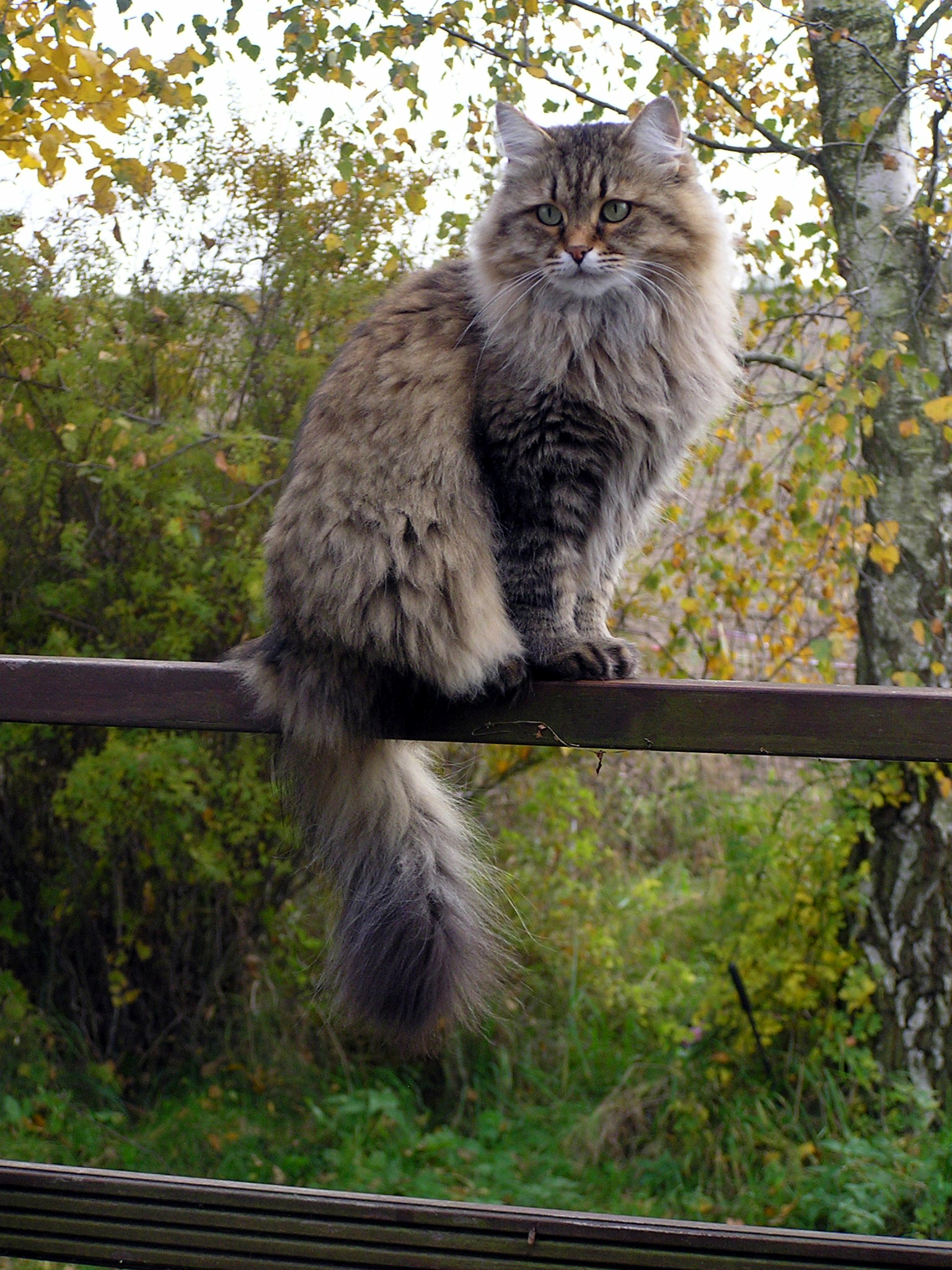
Siberian cats are easy to admire. They are large, striking, and often very engaging to live with. Many owners like their mix of playfulness, confidence, and affection. They can be social without being overly needy, which is part of why the breed appeals to so many households.
Still, Siberians are not a low-effort cat just because they look sturdy and natural. Their long coat needs regular attention, their body condition can be harder to judge under all that fur, and many are more active than people expect. If you already have a Siberian, or you are thinking about bringing one home in Petaluma, it helps to have a realistic picture of what daily care actually involves.
Why Siberian cats appeal to so many owners
Siberians are often described as intelligent, athletic, and people-oriented. Many enjoy being near their family, following people from room to room, or checking in on whatever is happening at home. They usually have a strong presence without feeling fragile or delicate.
They also tend to be more agile than some people expect from a large, long-haired cat. Many enjoy climbing, jumping, chasing toys, and watching the household from a high perch. In homes where respectful introductions are handled well, some Siberians also do nicely with children, other cats, and cat-savvy dogs.
Of course, personality still varies from cat to cat. Some are outgoing. Some are quieter. Some are more talkative than others. But in general, the breed is known for being steady, interactive, and adaptable.
The coat is beautiful, but it still needs regular care
One of the most common misunderstandings about Siberians is that their coat mostly takes care of itself. It is true that their triple coat may mat less easily than the coat of some other long-haired breeds. But grooming is still part of routine care, not an optional extra.
Most Siberians do well with regular brushing, and many need more help during seasonal shedding. Areas that deserve extra attention include behind the legs, under the front limbs, along the belly, and around the rear. Mats can still develop, especially if brushing gets inconsistent or if the cat is gaining weight and grooming less effectively.
Regular brushing is useful for more than appearance. It also gives you a chance to notice changes early, including:
- tangles forming close to the skin
- more loose fur or more frequent hairballs
- dandruff or skin irritation
- stool stuck in the fur around the rear
- lumps, tenderness, or body condition changes
That hands-on time matters with a thick-coated cat. A Siberian can look healthy from across the room while hiding a skin problem, carrying extra weight, or grooming less well than usual.
Siberians are often active cats
Siberians are not just decorative long-haired cats. Many are playful, curious, and physically capable. They often do best when they have room to climb, sturdy scratching surfaces, window views, interactive play, and some form of mental enrichment like puzzle feeders or rotating toys.
That does not mean they are hyperactive. It means they usually benefit from a home that gives them things to do. If the environment feels too repetitive, some cats become bored, food-focused, restless at night, or more demanding of attention.
For Petaluma owners, that usually means thinking beyond basic indoor safety. Indoor living is often the safest option, but it should still be interesting. Vertical space, daily play, and a predictable routine can go a long way.
Weight can be easy to miss under all that fur
Siberians are medium-large to large cats with a naturally substantial build. That can make early weight gain harder to spot. A fluffy cat may still look normal even when excess body fat is starting to build.
Over time, extra weight can affect comfort, mobility, grooming, and long-term health. A healthy Siberian should feel strong and well-muscled, not soft and overconditioned. Routine veterinary visits can help track that more accurately than appearance alone.
At home, owners should watch for subtle changes such as:
- less interest in jumping
- reduced grooming around the lower back or rear
- difficulty reaching certain areas of the body
- less stamina during play
- a gradual change in shape that is easy to miss day by day
Because many Siberians are personable and food-motivated, it is easy to overfeed without realizing it. Treats, free-feeding, and too little activity can add up slowly.
Health issues owners should keep on their radar
Many Siberian cats live healthy lives, and no breed should be reduced to a checklist of problems. Even so, there are a few issues worth discussing with your veterinarian.
One is hypertrophic cardiomyopathy, or HCM, a heart disease seen in cats in general and discussed more often in some purebred lines. Not every Siberian will develop heart disease, but it is helpful for owners to know the term and understand why regular exams matter.
Siberians can also develop the same common problems seen in other cats, including dental disease, digestive upset, obesity-related concerns, urinary issues, and skin problems that may be harder to notice under a dense coat.
Changes worth paying attention to include:
- faster or more noticeable breathing
- lower energy
- less interest in play
- appetite changes
- more frequent hairballs than usual
- bad breath or trouble chewing
- changes in litter box habits
- a coat that starts to look less well kept
Those signs do not automatically mean something serious is wrong. They do mean it is better to check in sooner rather than wait too long and hope the problem passes on its own.
Are Siberian cats hypoallergenic?
This is one area where it is best to stay cautious. Siberians are sometimes described as hypoallergenic, but that claim is too strong.
Some people with cat allergies report milder reactions to certain Siberians, but that is not something anyone can guarantee. Reactions vary from person to person, and they can also vary between individual cats. If allergy concerns are part of the decision, spending real time around the specific cat is the most practical approach.
Why a regular vet relationship helps
For a breed like the Siberian, routine veterinary care is especially useful because subtle changes can be easy to miss at home. A primary care clinic can track weight trends, body condition, coat and skin quality, dental health, and heart and lung sounds over time.
That kind of baseline matters. A Siberian that is grooming a little less, breathing a little faster, or moving a little differently may still seem normal to a casual observer. When your clinic already knows your cat, it is easier to sort out what can wait, what should be seen soon, and what may be more urgent.
For Petaluma owners, having that relationship in place before a problem comes up can make day-to-day decision-making much easier.
Is a Siberian the right fit for your home?
Siberians can be wonderful companions for people who want an affectionate, interactive cat and are prepared for regular grooming, thoughtful feeding, enrichment, and routine veterinary care. They may be a less natural fit for households looking for a very low-maintenance, highly independent pet.
The breed's looks are part of the appeal, but coat, size, and personality all come with practical care needs. Going in with realistic expectations usually leads to a better experience for both the cat and the owner.
If you already share your home with a Siberian, staying consistent about coat care, weight monitoring, activity, and preventive vet visits can help you catch small issues early and keep your cat comfortable over time.